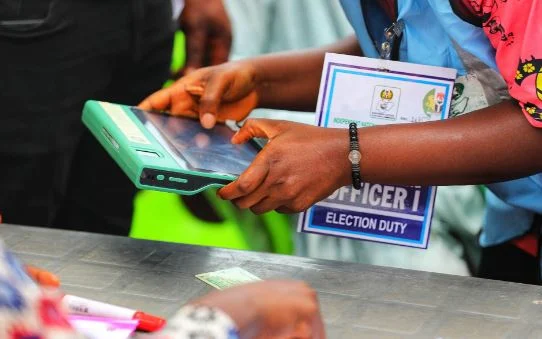
The Senate on Tuesday bowed to intense public pressure and approved the electronic transmission of election results to the Independent National Electoral Commission’s Result Viewing Portal, IReV, while permitting manual collation to serve as a backup where technology fails.
The decision followed an emergency reconsideration of a disputed clause in the Electoral Act (Repeal and Re-enactment) Amendment Bill, 2026, after days of nationwide outrage, street protests, and sustained criticism from opposition figures, civil society organisations and youth movements.
However, the Upper Chamber stopped short of making electronic transmission compulsory and rejected calls for the explicit inclusion of real-time upload of results, a key demand by protesters who accused lawmakers of attempting to weaken electoral safeguards ahead of the 2027 general elections.
Under the reviewed provision, presiding officers at polling units are required to electronically transmit results to the IReV portal after voting and documentation have been completed.
The amendment, however, provides that where electronic transmission cannot be carried out due to communication or network challenges, the manual result sheet, Form EC8A, shall become the primary basis for collation and declaration.
While putting the motion to a voice vote, Senate President Godswill Akpabio urged senators who opposed the amendment to formally challenge it on the floor.
“It’s very simple. If you disagree with him, move your counter motion. So, if you agree with him, you agree with me when I put the votes,” Akpabio said.