The Minister of Youth Development Comrade Ayodele Olawande, has called for increased investment in the health, education, skills and economic empowerment of young people, saying Africa’s youthful population can only translate into a development dividend when young people have the opportunities and support systems to participate productively in society.
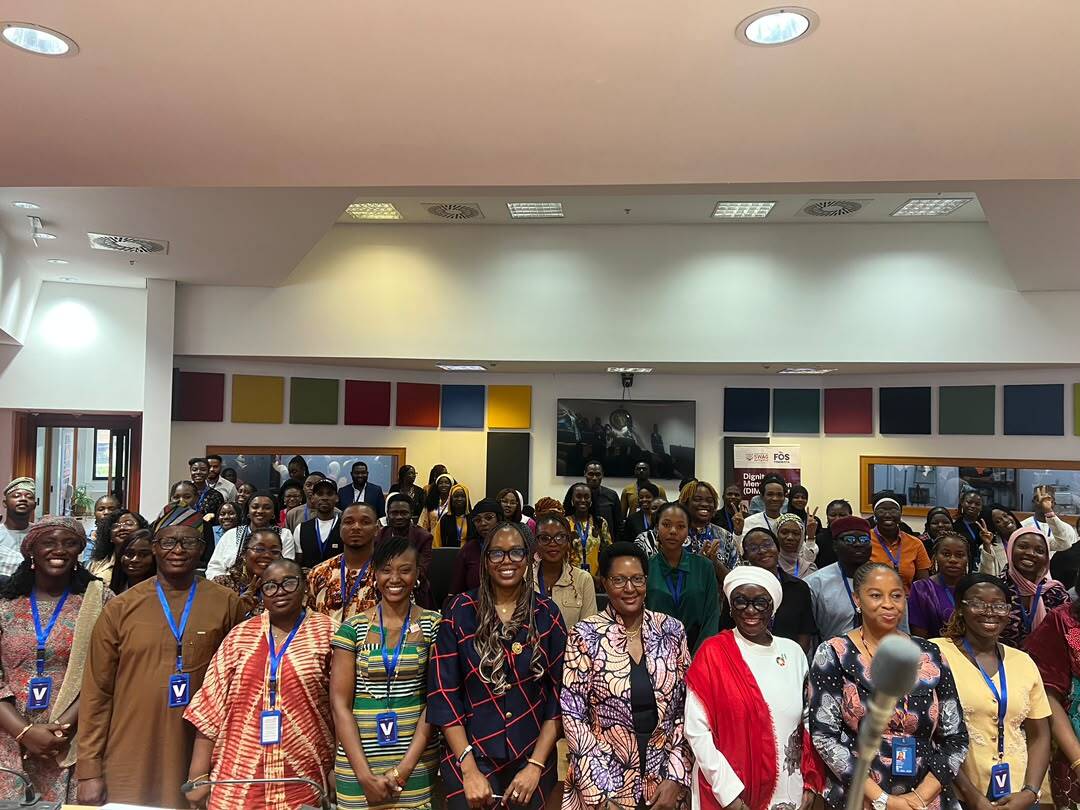
Olawande, who was represented by the Permanent Secretary in the ministry, Dr. Maryam Ismaila Keshinro, stated this at the Regional Youth Convening on Health and Development, organised by the Stand With A Girl (SWAG) Initiative held at the United Nations House, Abuja, where stakeholders from West and Central Africa examined policy pathways, regional solutions and co-investment for lasting adolescent and youth health gains.
Keshinro said youth development must be treated as a strategic investment rather than merely a social intervention, noting that a healthy, educated and economically empowered generation was critical to productivity, innovation and inclusive economic growth.
According to her, young people face challenges including mental health and psychosocial concerns, sexual and reproductive health issues, nutrition, substance use, HIV and other infections, gender-based violence and menstrual health.
“A productive generation cannot be built without a healthy generation,” Olawande said, urging governments to strengthen youth-responsive health services while linking education and skills development to entrepreneurship and decent employment.
She called for stronger regional cooperation, evidence sharing and youth participation in policy design, implementation, monitoring and accountability, stressing that young people should not remain mere beneficiaries of development programmes.
Earlier in her keynote address, the UNFPA Resident Representative in Nigeria, Ms Muriel Mafico, said West and Central Africa was home to about 170 million young people aged 10–24, representing roughly one-third of the region’s population, but warned that a youthful population would not automatically produce a demographic dividend.
She said systems were needed to identify promising youth-led innovations, rigorously test them, finance what works and move successful interventions from projects into public policy and national-scale programmes.Mafico said the region continued to face overlapping challenges, including child marriage, female genital mutilation, adolescent pregnancy, gender-based violence and unequal access to health services.