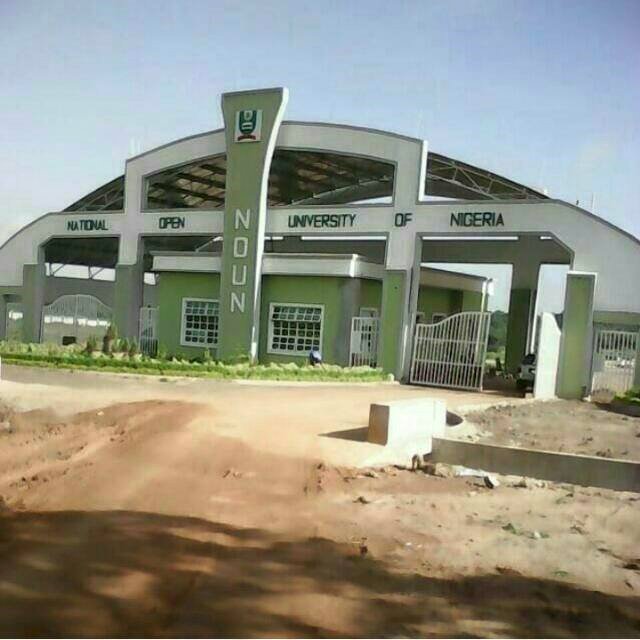
The National Open University of Nigeria has presented degree certificates to six inmates of the Medium Security Custodial Centre, Kuje, Abuja.
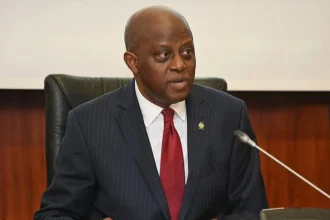
Speaking at the event in Abuja, the Controller-General of the Nigeria Correctional Service, Mr Sylvester Nwakuche, commended the graduates for their resilience and determination.
In a statement issued on Tuesday in Abuja by the command’s Public Relations Officer, Samson Duza, Nwakuche said the graduates pursued various NOUN programmes while in custody.
“The graduates, who pursued various NOUN programmes while incarcerated, received their degrees in different fields, which include two Master’s degrees in Peace Studies and Conflict Resolution, and four Bachelor’s degrees in Peace Studies and Conflict Resolution, Political Science, Criminology and Security Studies,” the statement read.
Nwakuche said the event underscored NOUN’s commitment to inclusive and accessible education, as well as the NCoS’s focus on rehabilitation and the successful reintegration of inmates into society.
The Controller-General, who was represented by his deputy, Dr Amos Kupan, said education transforms lives, builds capacity and demonstrates that incarceration is not a dead end but an opportunity for growth and reintegration.
“The Service will continue to foster skills and educational opportunities that prepare inmates for lawful livelihoods and a better future after release,” he said.
In his welcome address, the Controller of Corrections, FCT Command, Christopher Jen, congratulated the graduates on their achievement, urging them to be good ambassadors of the custodial centre.
He advised them to use their certificates to improve their lives upon discharge and not allow anyone to look down on them, while also encouraging them to pursue further education to build on their success.
Representing the Vice-Chancellor of NOUN, the Director of the NOUN Special Study Centre, Dr Francis Enobore, appreciated the Service for 13 years of partnership in educational development.
Enobore, who is also a retired Controller of Corrections, described the programme as a pathway of hope, adding that NOUN would continue to empower inmates towards dignity and effective re-entry into society.
He noted that NOUN’s open and distance learning model enabled even the marginalised to access education, stressing that the graduates were proof that learning heals, equips and restores dignity.
Enobore added that the university would expand such partnerships to reach more inmates across custodial centres.
Speaking on behalf of the graduates, Abba Kyari expressed gratitude to the Controller-General of the NCoS, officers and men of the Kuje Custodial Centre, as well as the Vice-Chancellor of NOUN and the university’s management, for the opportunity to learn while in custody.
He said the learning experience restored their sense of purpose, noting that their years in custody were not wasted and that the knowledge acquired would be useful for the rest of their lives.
Highlights of the event included counselling sessions on re-entry, skill development and community reintegration, as the inmates pledged to model positive change and contribute meaningfully to society upon release.